
What does OSHA actually require for handwashing on a job site?
The rule people quote wrong is 1926.51(f)(1). It does not apply to every construction site, only where workers handle paints, coatings, herbicides or insecticides, or face similar contaminants. If your crew fits that description, you need a washing facility on site, not just a portable toilet rental with a hand sanitizer bottle zip-tied to the door. Toilet counts fall under a separate rule, OSHA 1926.51(c), which sets ratios by crew size rather than by contaminant exposure. General industry sites, meaning shops and warehouses rather than active construction, follow 1910.141(c)(1)(i) instead. Whichever rule applies, the washing station itself has to carry soap and a way to dry hands under 29 CFR 1910.141(d)2. A sanitizer-only setup gets flagged fast if an inspector shows up in Surprise. We spec stations to meet the standard rather than guess at it, and we walk you through which rule fits your crew before delivery. If you're staffing a farm crew, field sanitation for agricultural work runs on its own separate standard worth checking too.
How many handwashing stations does my site need?
One station per 20 workers is the baseline most crews plan around, mirroring the field sanitation ratio used in agricultural settings under OSHA 1928.110. Construction sites without paint, coating, herbicide or insecticide exposure may not trigger 1926.51(f)(1) at all, but plenty of supervisors add portable sink rental units anyway because crews want to wash before lunch. Pair each toilet cluster with a nearby station rather than one far corner of the lot. If you're already running the numbers for restrooms, our how many porta potties do I need guide walks through the same per-worker math. For events in Surprise, caterers and food vendors usually want a station within a few steps of prep tables, not across the lot. A hand sanitizer station rental can supplement but should never replace a proper soap-and-water setup where the OSHA contaminant rule applies.
What does a handwashing station rental include?
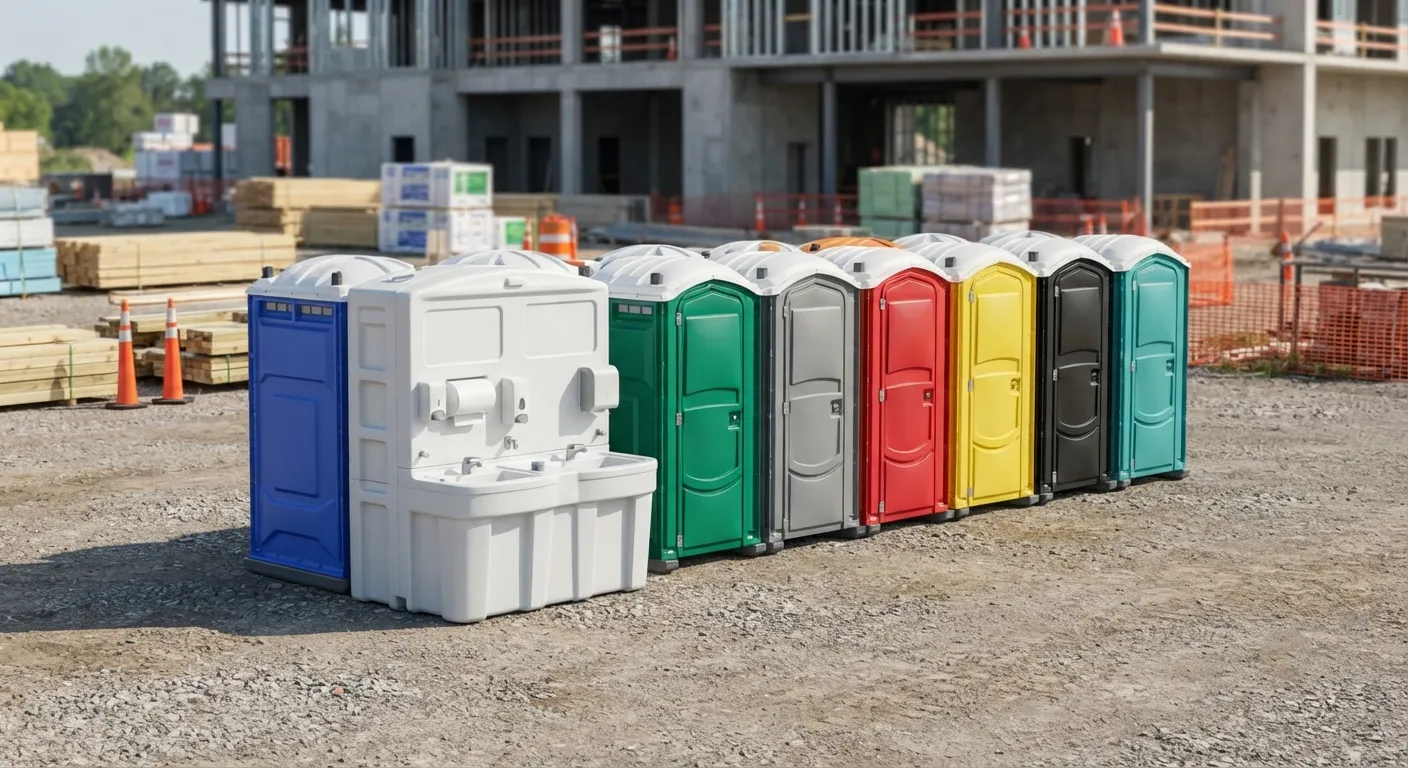
A standard unit holds fresh water, a soap dispenser, and either paper towels or a mechanical dryer, satisfying 29 CFR 1910.141(d)(2) out of the box. Some crews prefer a full portable sink rental with a foot pump and a larger reservoir for high-traffic sites. Delivery and pickup work the same way as our portable restroom rental service: we drop it where you need it, service it on a schedule, and pull it when the job wraps. For sites already renting a standard porta potty rental or a deluxe flushable porta potty, bundling a handwashing station into the same delivery run saves a truck trip. Restaurants and food trucks with grease disposal needs should also look at grease trap pumping since fats, oils and grease get pumped once they reach 25 percent of the liquid depth in the interceptor. That is a separate system from handwashing but often lives in the same kitchen footprint.
| unit | duration | typical price |
|---|---|---|
| standard porta potty | day | $150 |
| standard porta potty | week | $200 |
| standard porta potty | month | $200 |
| delivery fee | day | $150 |
Prices above reflect standard restroom units delivered alongside handwashing stations; ask for a station-specific quote when you call. For a deeper breakdown, see porta potty rental cost or porta potty rental per day.
Where should handwashing stations go on an event or job site?
Placement matters more than most planners expect. ADA Standards section 403.5.1 calls for a 36 inch clear route to any accessible station, and section 404.2.3 sets minimum door opening width at 32 inches on units with doors. If you are clustering multiple portable toilets, ADA Standards section 213.2 requires at least 5 percent of the cluster to be accessible, never fewer than one unit, and a nearby handwashing station should follow the same accessible path. Ground surfaces need to stay stable and firm per ADA Standards section 302.1, which matters on the gravel lots common around construction sites in Surprise. Our porta potty placement guide and ADA restroom requirements pages cover the reach and turning-space rules in more depth. For food service areas, keep the station within a short walk of prep and serving tables. Surprise event planners running festivals or fairs should also check our festival restroom rental and county fair restrooms pages for cluster planning that includes handwashing alongside toilets.
Surprise Porta Pros also services Sun City West, about 8.6 miles east, and Wittmann, roughly 11.6 miles northwest, so sites near those areas get the same delivery window. For a full list of coverage, see Surprise service areas or check porta potty rental in Surprise directly.
Do I need a permit for a handwashing station in Surprise?
Placement in the public right of way needs confirming with the city; we have not verified a specific permit rule for handwashing stations here. Check with the City of Surprise before placing units on a public sidewalk or street. Our porta potty permit requirements page covers what we do know about related restroom placement.
Does hand sanitizer meet OSHA requirements instead of a sink?
No. 29 CFR 1910.141(d)(2) specifically requires soap and towels or a hand-drying device; sanitizer does not satisfy that rule on its own. A hand sanitizer station rental works as a supplement near entrances, not a replacement for a proper washing setup.
Can I rent a handwashing station without renting a portable toilet?
Yes. Plenty of Surprise job sites already have restrooms and just need added handwashing capacity. Call and we will quote the station alone, no bundled toilet required.
How often are handwashing stations serviced?
Weekly servicing is the baseline most rental crews follow, similar to the interval described in ANSI/PSAI Z4.3 for portable sanitation generally. High-traffic sites often move to twice-weekly service; ask us to build that into your schedule.
What is the difference between a handwashing station and a portable sink?
A basic handwashing station covers soap, water and towels for quick washes. A portable sink rental usually adds a larger tank and a foot pump, built for kitchens or high-volume food service where sinks see constant use.
Next step
Get a delivery date
Tell us the address, the dates and the headcount. We size the order and confirm the route.