
Do you need a permit for a dumpster or porta potty in Surprise?
It depends on placement, not the equipment itself. If the unit sits on your own lot, in a yard or a fenced construction zone, most jobs move forward without any city paperwork, and that covers most portable toilet rental orders we deliver. The moment a unit or a roll-off dumpster rental needs to sit in a street lane, on a curb strip, or blocks a sidewalk, that's public right of way, and Surprise almost certainly has a process for that even though we can't quote you the exact ordinance number here. Call the city planning or public works line before you commit to a curb spot. This is the same question we get about dumpster permit requirements and about a temporary fence rental that runs along a sidewalk. Renting equipment in Delaware, New Jersey or anywhere else works the same way: the equipment doesn't trigger a permit, the location does. A driveway toilet on a home remodel almost never needs one; a unit sitting in a traffic lane during a downtown Surprise event usually does.
Where can a porta potty legally sit on a job site?
Placement rules exist to keep a route clear for workers and the public, and OSHA backs part of that up directly. Whatever the permit answer turns out to be, the unit still has to sit on stable, firm, slip-resistant ground under ADA Standards 302.1, with a clear approach if anyone using a wheelchair needs the ADA accessible porta potty unit on site. ADA Standards 403.5.1 calls for a 36 inch clear route to reach it, and where several single-user units get clustered together, ADA Standards 213.2 requires at least 5 percent of them, never fewer than one, to be accessible. On active construction sites, OSHA 1926.51(c) sets the baseline toilet count itself: one facility for 20 workers or fewer, then additional seats as the crew grows past that. Our porta potty placement guide covers ground clearance and service truck access in more depth, and our how many porta potties do I need page walks through the worker-count math site by site.
What are the porta potty rules and regulations for events?
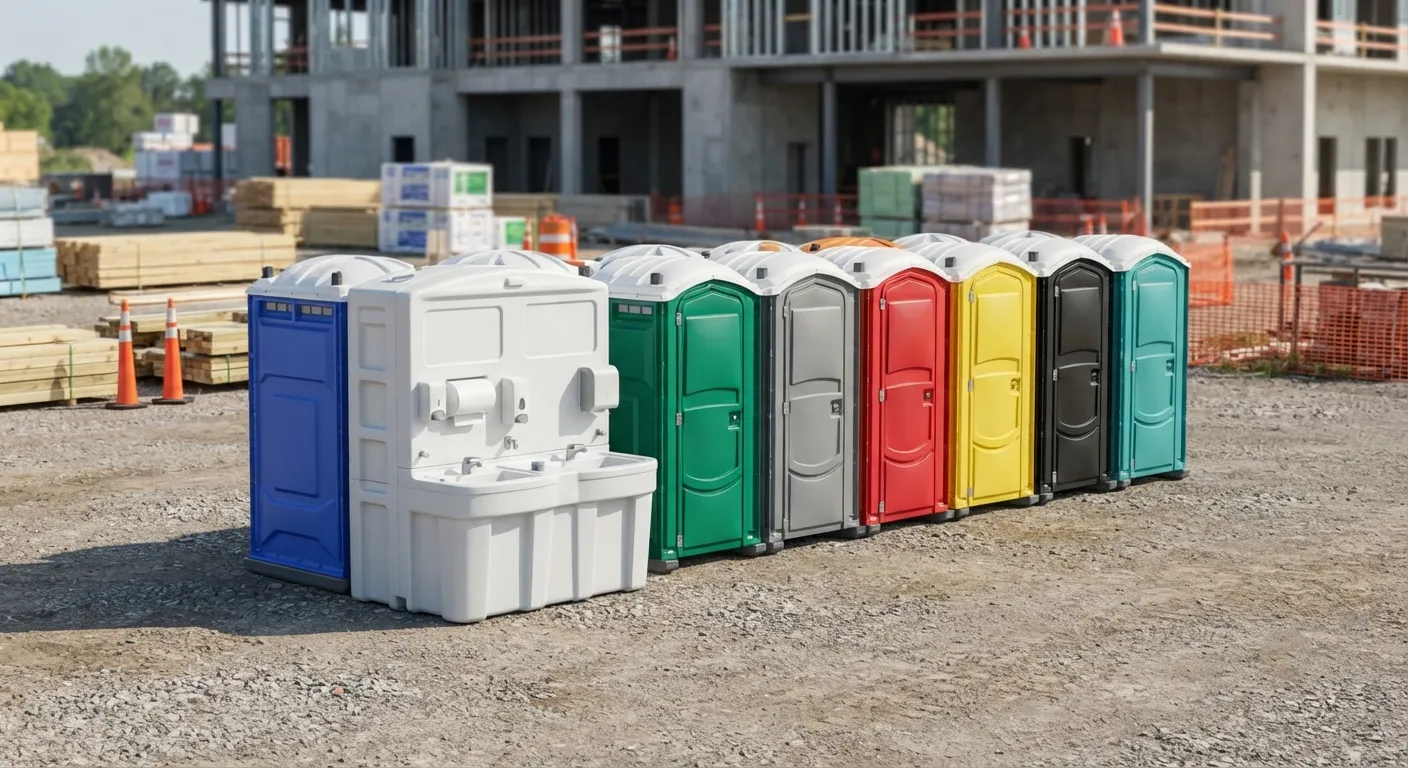
Event placement usually gets more scrutiny than a private jobsite because of crowd flow and emergency access. A wedding on a private ranch outside Surprise is a different conversation than a festival closing a public street downtown. If your layout needs a barricade line, OSHA 1926.202 requires barricades to meet ANSI D6.1, which matters if you're pairing units with a crowd control barrier rental around a stage or vendor row. Standard units run about 44 by 48 inches on the ground and stand roughly 92 inches tall, so plan clearance the same way you would for festival restroom rental or concert restroom rental layouts. A marathon and race restrooms route strung along public streets is far more likely to need city sign-off than a golf tournament restrooms setup contained entirely on private course grounds. When in doubt, treat any unit touching a public street, sidewalk, or right of way the same way you'd treat a permit for a dumpster on the street: assume yes, then confirm.
Does a temporary power pole or dumpster need a separate permit?
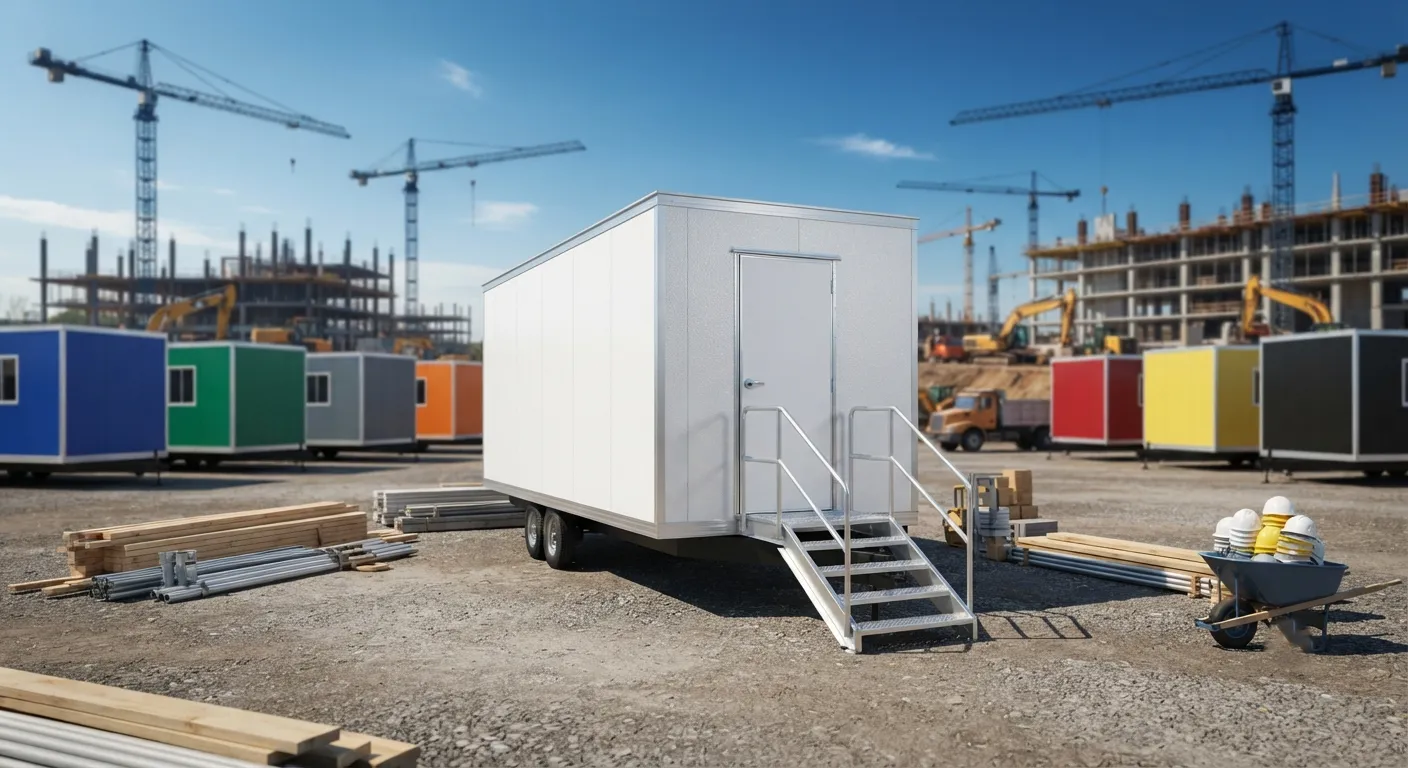
Sometimes, and it's worth asking about each piece of equipment separately rather than assuming one permit covers everything on site. A temporary power pole permit is typically its own application through the city, distinct from anything covering a storage container rental or a dumpster rental cost estimate for a driveway box. If your job also needs a light tower rental or a temporary power pole for electrical service, budget separate time to confirm each with the city rather than bundling the question. The same logic applies whether you're in Surprise, running a Jersey City dumpster permit application, or setting up portable toilet rental in Delaware: local authority, local process, no shortcuts. For general construction sanitation, OSHA 1926.51(a)(1) also requires an adequate supply of potable water on site regardless of what the city says about placement, and a handwashing station rental pairs with that requirement on most active job sites.
FAQ
Can I put a porta potty on the street in front of my house?
Usually not without checking first. Curb space and street lanes count as public right of way, and Surprise likely has its own process for that, unverified here. A driveway or yard placement on your own property is the simpler route and rarely needs anything beyond confirming with your HOA if you have one.
Do construction sites in Surprise need a specific toilet count?
Yes, OSHA sets the floor. Under OSHA 1926.51(c), a crew of 20 or fewer needs one toilet facility; larger crews add seats and urinals as headcount rises. That's a federal labor standard, separate from any city placement permit, and it applies whether you're near Sun City West 8.6 miles east or working downtown.
Does a roll-off dumpster in my driveway need a permit?
Usually no, if it stays fully on your property. Once any part of the box sits in the street or blocks a sidewalk, treat it like public right of way and call the city first. See dumpster permit requirements for the placement questions worth asking before delivery.
How much clearance does a delivery truck need for a dumpster?
Plan on roughly 60 feet of straight clearance behind the truck for a standard roll-off delivery. That's separate from any permit question, but it affects where placement is even physically possible on a tight lot in Surprise or a job near Wittmann, 11.6 miles northwest.
Who do I call in Surprise to confirm a permit is needed?
Reach out to the city's planning or public works department directly before delivery day, since specific ordinance numbers and fees aren't something we can quote from here. Our contact page can point you toward next steps, or start with request a quote and we'll flag anything that looks like a right-of-way placement.
Next step
Get a delivery date
Tell us the address, the dates and the headcount. We size the order and confirm the route.