
How fast can you deliver during an emergency?
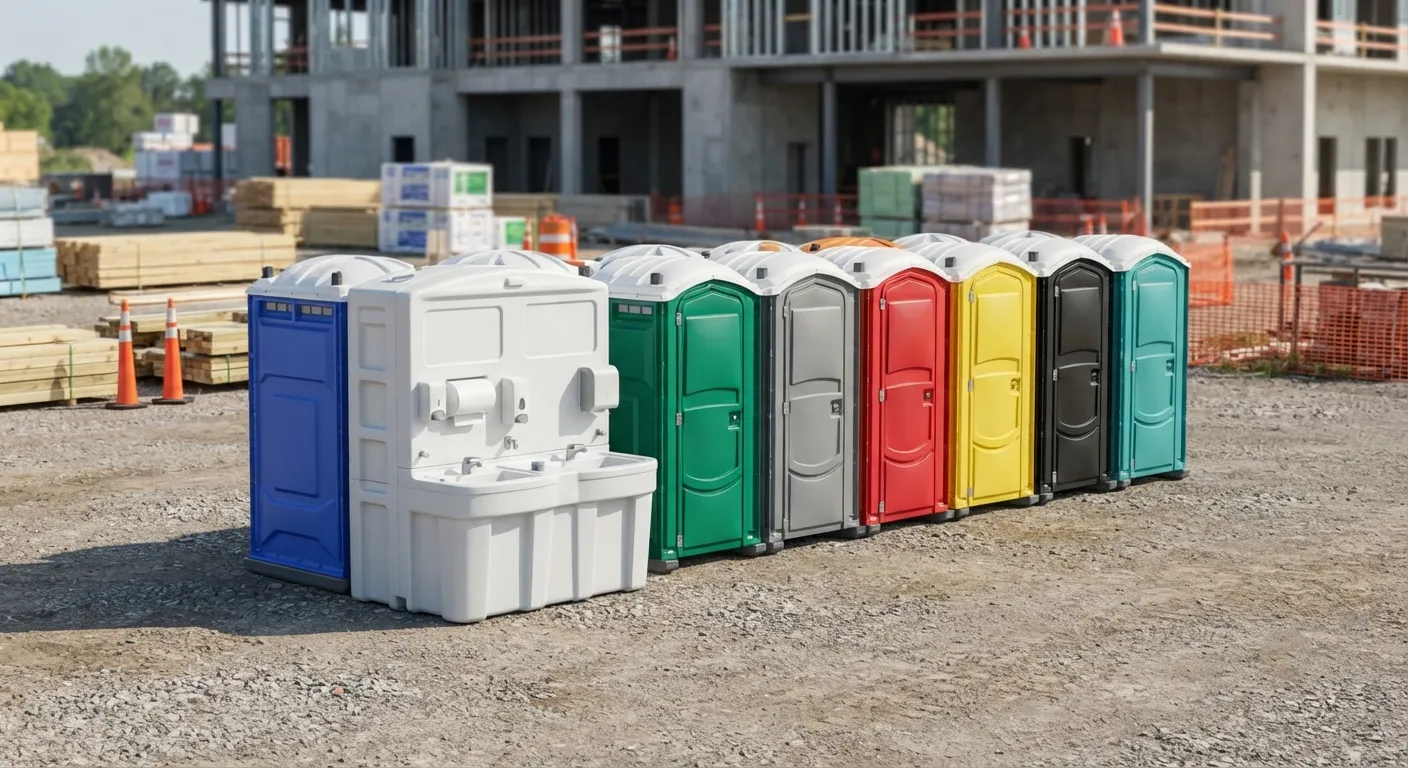
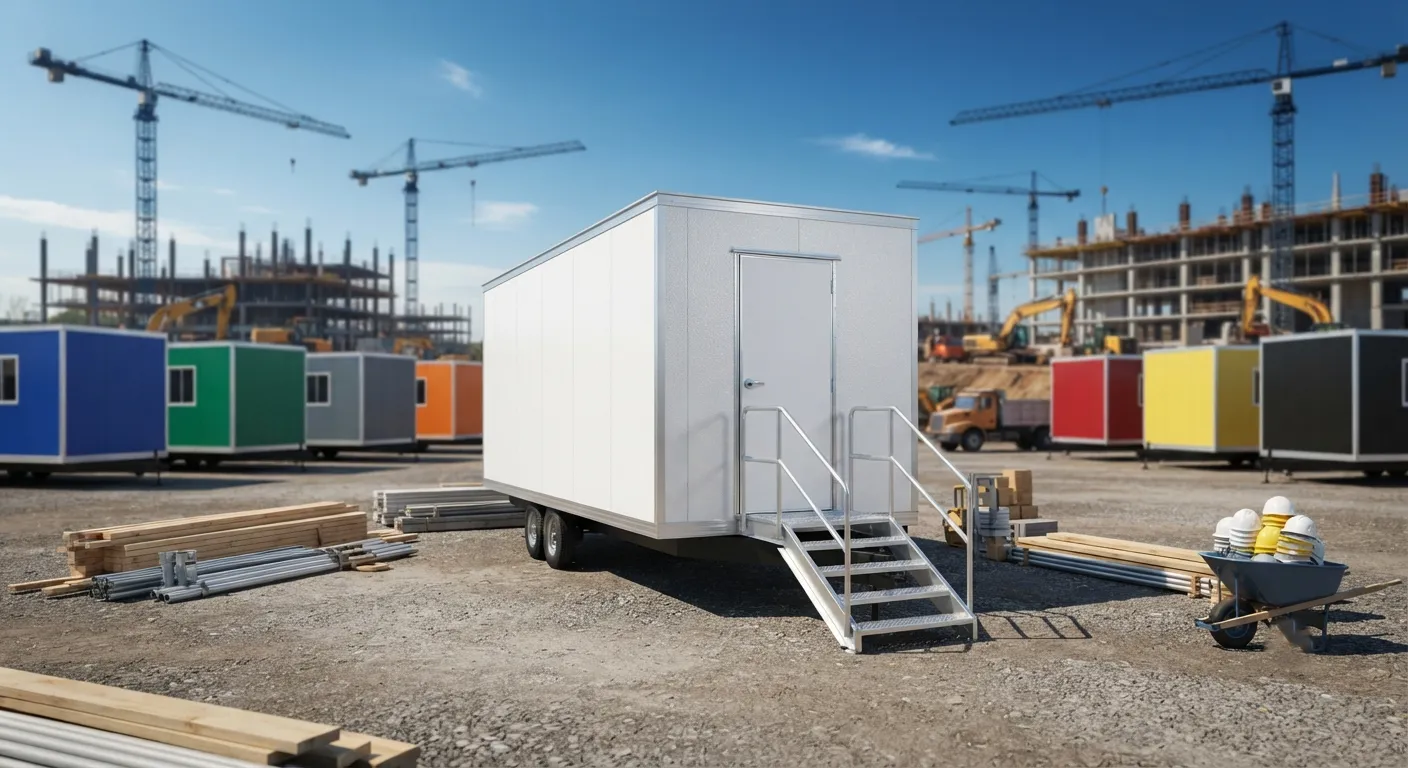
Disasters don't wait for a normal lead time, and neither do we. Call emergency porta potty rental and we'll walk the site by phone, confirm access, and get units rolling. A standard unit runs 60 to 70 gallon holding tank capacity and stands about 92 inches tall, so it fits most driveways, church lots, and shelter loading areas without special clearance. If the location is tight, our porta potty placement guide covers what we need for safe setup, and our delivery crews figure out access before the truck ever leaves the yard. For larger relief operations, a restroom trailer rental or 4 stall restroom trailer can serve a shelter population without the wait lines a handful of single units creates. We also stock holding tank rental units for sites where sewer service is down entirely, and handwashing station rental units that meet the intent of 29 CFR 1910.141(d)(2), which requires soap and towels or a hand drying device at wash stations, not sanitizer alone. Response priority during an active disaster goes to shelters, medical staging, and multi-family sites first, then to individual households as capacity allows. If you're coordinating for a neighborhood or a mobile home park, group your request. We can plan unit count once, deliver once, and service on one schedule instead of piecemeal.
What do shelters and staging sites actually need?
A shelter needs more than a toilet in the parking lot. It needs a working system: restrooms sized to headcount, a place to wash hands, and a service schedule that holds even when the crew is stretched thin. OSHA 1926.51(c) sets a construction benchmark of one toilet for every 20 workers, and while a shelter isn't a job site, that ratio is a reasonable starting point for planning restroom counts against expected population. Under ANSI/PSAI Z4.3, the baseline service interval is one visit per week for up to 10 users over a 40 hour week, but disaster deployments usually need tighter servicing since usage runs around the clock. We adjust the route accordingly. For accessibility, ADA Standards section 213.2 requires that where portable units are clustered, at least 5 percent be accessible units, and never fewer than one, so any shelter with more than a couple of standard units needs at least one ADA accessible porta potty in the mix. Those units meet ADA Standards section 304.3.1's 60 inch turning circle and section 404.2.3's 32 inch clear door opening, so a responder in a wheelchair can actually get in and turn around. Pair the restrooms with a portable sink rental or two, since a shelter kitchen and a shelter restroom bank should not share one wash point. If the shelter also needs temporary barriers to manage a crowd or secure a supply drop zone, look at crowd control barrier rental or temporary fence rental.
Can you support a multi-week recovery, not just the first week?
Yes, and most disaster response outlasts the first news cycle. Once the immediate crisis stabilizes, the question shifts from "get us anything" to "keep this running affordably." That's when we shift accounts from emergency day rates to a monthly porta potty rental structure, which runs cheaper per day than short-term billing once a deployment stretches past a couple of weeks. If flooding or wind damage has knocked out septic service to homes still occupied, we also run septic pumping service and can flag septic tank warning signs worth checking before residents move back in. A typical residential septic tank is pumped every 3 to 5 years under normal conditions, but storm intrusion or heavy temporary occupancy can push a tank to capacity faster, so an off-cycle pump-out is common after a disaster. For debris cleanup once the immediate danger passes, a roll-off dumpster rental clears storm debris, and our dumpster sizes and dimensions page helps you pick the right size before the truck shows up. Households displaced for weeks sometimes need a place to keep belongings dry and secure; a storage container rental or 20ft storage container works for that. We also cover Sun City West, roughly 8.6 miles east of Surprise, and Wittmann, about 11.6 miles northwest, if regional flooding or outages spread past city limits. Check service areas for the full coverage map.
How many restrooms does a shelter of 200 people need?
Using the OSHA 1926.51(c) ratio as a planning guide, 200 people would fall near the one-per-50 tier, meaning roughly four units minimum, more if usage is heavy or continuous. We recommend rounding up and adding at least one ADA unit under ADA Standards 213.2.
Do you charge extra for emergency same-day delivery?
Emergency and weekend-timed delivery does carry a higher fee than standard scheduled delivery, since it means pulling a truck and crew outside the normal route. Ask for a quote when you call. It's worth it to get service running the same day.
What if the site has no power or water access?
That's normal in disaster response. Our standard units and holding tanks need neither; they're fully self-contained. For handwashing, our stations carry their own water supply, meeting 29 CFR 1910.141(d)(2) without needing a hookup.
Can you service units daily during an active disaster?
Yes. We can compress the ANSI/PSAI Z4.3 baseline weekly service interval to a daily or every-other-day schedule for high-traffic shelters and staging sites. Tell us expected headcount and we'll set the route to match actual usage, not the standard interval.
Do you help with septic backup from storm flooding?
Yes. Flooded or overwhelmed septic systems need pumping sooner than the normal 3 to 5 year cycle. Call septic pumping service and we'll assess the tank, check for septic tank warning signs, and pump it before it backs up into the home.
Next step
Get a delivery date
Tell us the address, the dates and the headcount. We size the order and confirm the route.